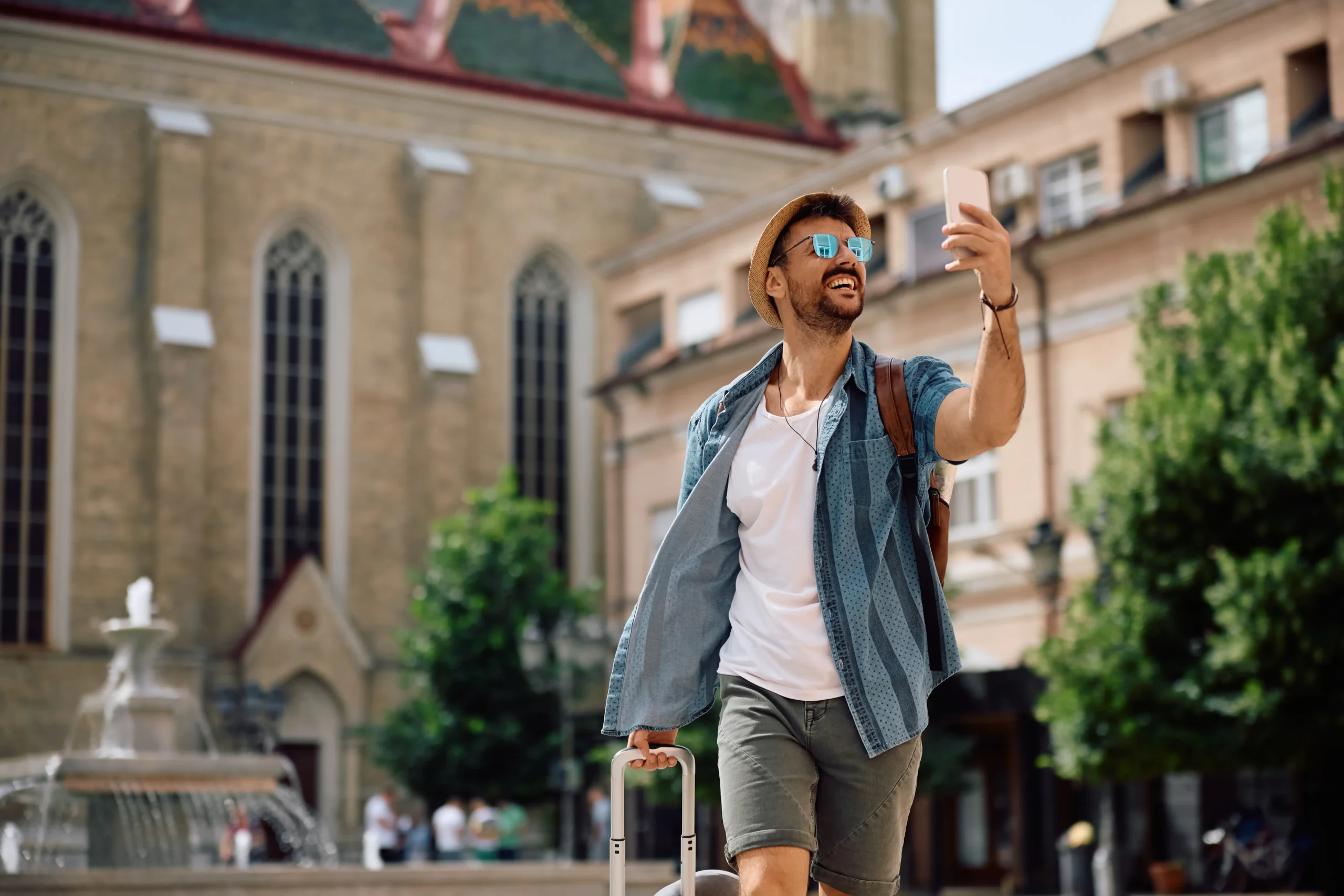
Moving to a new city is often described as exciting, brave, or life-changing. And while all of those things can be true, the reality of arrival is usually far more complex. For many people, the first days and weeks in a new place are filled with uncertainty unfamiliar streets, unfamiliar systems, and unfamiliar faces. Even the smallest tasks, like buying groceries or figuring out public transport, can feel overwhelming.
Belonging doesnt happen the moment you land. Its something that grows slowly, shaped by people, places, and experiences.
This is the story of what it really takes to move from arrival to belonging and why that journey looks different for everyone.
The Emotional Reality of Arrival
No matter how prepared someone is, arriving in a new city often comes with emotional whiplash. Theres excitement about whats possible, mixed with anxiety about what could go wrong. For many newcomers, theres also a quiet sense of loss leaving behind familiarity, support systems, and routines that once made life feel predictable.
What often surprises people most is how isolating arrival can feel. You can be surrounded by people and still feel invisible. Without shared history or established relationships, even confident, outgoing individuals can struggle to connect.
This emotional gap between being physically present and emotionally settled is where belonging begins to matter.
Why Practical Stability Comes First
Belonging doesnt start with social events or cultural experiences. It starts with stability.
When housing feels unsafe or temporary, its hard to relax. When work is uncertain, its hard to plan. When systems feel confusing or untrustworthy, stress becomes constant.
Practical stability provides the foundation for everything else:
- A safe place to live
- Fair access to work or income
- Reliable information
- Trust in the systems around you
Without this foundation, even the most beautiful city can feel hostile.
Thats why early support matters so much not just socially, but structurally.
The Power of Local Knowledge
One of the most overlooked aspects of settling into a new city is access to local knowledge. Not guidebooks. Not tourist tips. Real, lived experience.
Locals know which neighbourhoods feel welcoming, which services are reliable, and which shortcuts make daily life easier. They know what to avoid, what to prioritise, and what newcomers usually struggle with.
When this knowledge is shared openly and safely, it removes a huge burden from newcomers. It replaces guesswork with confidence.
Feeling supported by local insight helps people move from survival mode into exploration mode and thats when belonging starts to grow.
Community Is More Than Socialising
Community is often reduced to social events or networking opportunities. But true community goes deeper than that.
Community is:
- Being recognised
- Feeling safe asking questions
- Knowing where to turn when things go wrong
- Having someone who understands your experience
For newcomers, community doesnt need to be large. It needs to be genuine.
A single meaningful connection can change the entire experience of a new city. It can turn isolation into reassurance, fear into confidence, and uncertainty into hope.
Cultural Understanding Takes Time
Every city has its own rhythm unspoken rules, social norms, and expectations that arent written down anywhere. Learning these takes time, patience, and often, mistakes.
Belonging doesnt mean fully assimilating or losing your identity. It means finding a balance between who you are and where you are. It means learning how to exist comfortably within a new cultural context while staying connected to yourself.
When people are given space, support, and understanding, this process becomes less intimidating and more empowering.
Belonging Is a Process, Not a Moment
Many people expect belonging to arrive suddenly a moment where everything clicks. In reality, it arrives quietly, in small ways:
- When a place starts to feel familiar
- When you recognise faces
- When routines feel natural
- When the city stops feeling like a test
Belonging grows through repetition, trust, and connection.
And most importantly, it grows when people dont have to navigate the journey alone.
Why Belonging Matters
Belonging isnt just emotional. It affects mental health, confidence, productivity, and wellbeing. People who feel connected are more likely to thrive, contribute, and build meaningful lives in their new environments.
When belonging is supported, cities become stronger, more inclusive, and more human.
Thats why the journey from arrival to belonging matters not just for individuals, but for communities everywhere.